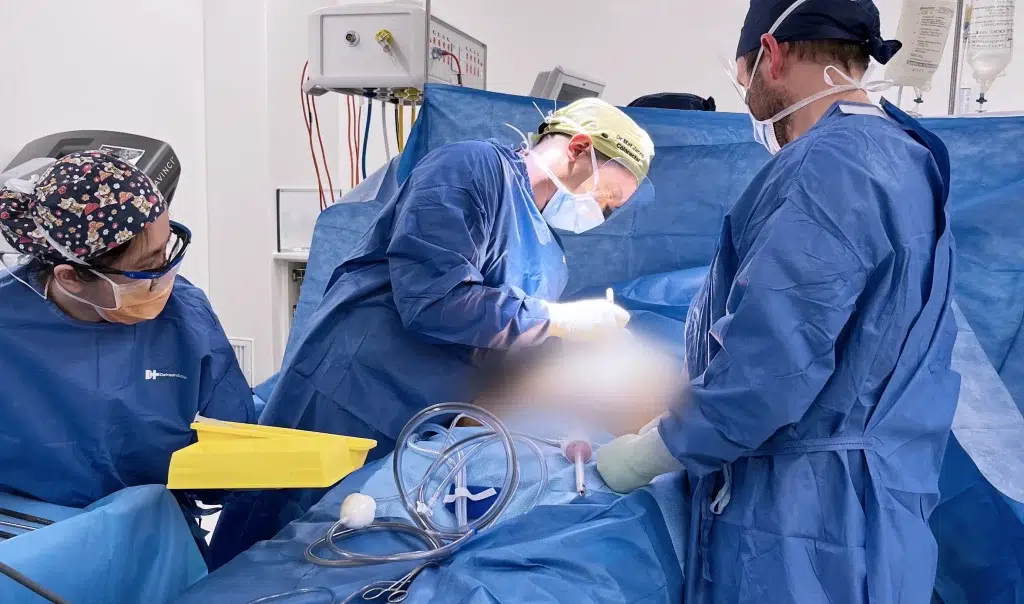
Robotic surgery uses advanced technology for precise, minimally invasive procedures, often allowing smaller incisions and faster recovery. Mr Mathew Jacob is an experienced robotic surgeon and console accredited with the da Vinci XI Robotic System and supervises other surgeons starting their robotic journey (formally known as Proctorship) sharing his expertise to ensure safe, effective use of this advanced technology.
The Advantage of Robotic Surgery
Minimally invasive surgery using small incisions
Greater precision and control with tremor-free movements
High-definition 3-D visualization for improved accuracy
Less pain, less blood loss, and smaller scars
Lower risk of infection
Faster recovery and shorter hospital stay
Improved access to delicate or hard-to-reach areas
Surgeon remains fully in control of the procedure
What’s Involved
After a referral is received, an initial consultation is arranged to review your condition and determine whether robotic-assisted surgery is suitable. Mr Mathew Jacob will explain the benefits, limitations and expected recovery in clear, practical terms so you can feel confident in your decision.
Mr Mathew Jacob will take a thorough medical history, review your results and assess whether robotic assistance is advantageous for your specific procedure.
Planning and Consent
If surgery is recommended, Mr Mathew Jacob will complete your consent and explain what robotic assistance involves. His booking secretary will then organise dates, preparation requirements and provide MBS item numbers for your fund.
Day of Surgery
You’ll admit to your selected facility, meet with Mr Mathew Jacob and your anaesthetist before the procedure, and have time to ask any final questions about the robotic platform and surgical plan.
Hospital Stay and Recovery
Most patients experience quicker recovery due to smaller incisions, but your stay will still be based on clinical needs. The team will monitor your progress, manage discomfort and support early mobility.
Follow-Up Care
A post-operative appointment will be arranged before you leave the hospital. You’ll receive clear recovery instructions, and the clinic is always available if you have any concerns.
Our Approach
We combine precision technology with personalised, supportive care to help patients feel confident at every step.
A hernia occurs when internal tissue pushes through a weak spot in the abdominal wall, creating a lump or discomfort. They can occur in different areas and often need assessment by Mr Mathew Jacob, especially if symptoms worsen or the hernia increases in size.
Colorectal disease refers to conditions affecting the colon (large intestine) and rectum. These conditions may be benign, inflammatory, functional or malignant, and often require specialised investigation and management.
General surgical conditions include hand and nerve issues such as carpal tunnel syndrome and ganglion cysts, as well as abscesses and complex wounds requiring management in a theatre setting. Assessment with Mr Mathew Jacobensures timely diagnosis and effective treatment planning.
Rectal and perianal conditions affect the area around the anus and lower rectum and are common, though often under-reported due to embarrassment. Specialist assessment is important for accurate diagnosis and effective treatment.
Joint Gynaecological/Urological and Colorectal Robotic Cases
Collaborative procedures involving both gynaecology and/or urology and colorectal surgery, often for complex pelvic conditions such as advanced endometriosis, uterovesical fistulas, complex pelvic floor dysfunction.
Adhesions / Abdominal Scar Tissue
Bands of internal scar tissue that may form after previous surgery or infection.
Adhesions can cause chronic pain, bowel obstruction or fertility issues and may
require surgical management in selected cases.